Soft washing is a biological-soil decision, not a universal setting
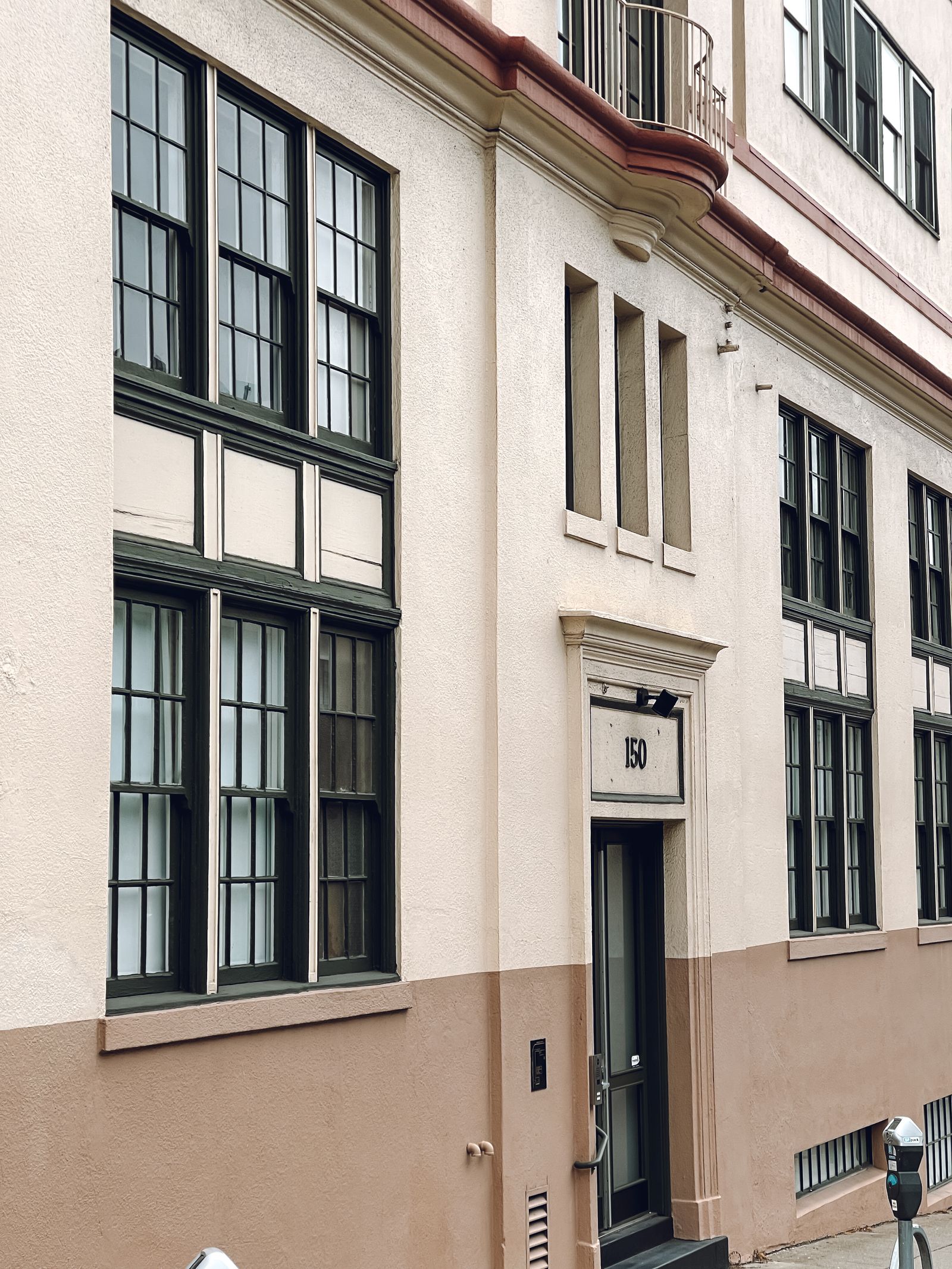
Soft washing generally combines a compatible cleaning solution, controlled dwell time, and a measured lower-pressure rinse to loosen or remove organic growth and atmospheric soil from a tested surface. On an Ocala stucco wall, painted concrete elevation, shaded soffit, or compatible architectural panel, that may be a better starting point for algae, mildew, pollen, and general film than aggressive impact. It can be useful around offices, clinics, retail buildings, hotels, warehouses, and selected equestrian facilities where plantings, air intakes, pedestrians, and traffic can be protected.
The word soft does not remove the need for testing. Product choice and dwell time must account for coating condition, windows, sealants, landscaping, wells, animal areas, occupants, and runoff. A surface with chalking paint, old repairs, porous stucco, or nearby irrigation may respond unevenly. Ask for a representative test area and an explanation of the intended finish. A good scope also identifies what happens to mineral scale, oxidation, rust, bird residue, construction film, and failing paint instead of implying that one biological wash will solve every mark.
Pressure washing has a role on durable Ocala surfaces
Pressure washing can be appropriate for suitable concrete approaches, curbs, loading aprons, dumpster pads, certain masonry conditions, parking structures, and controlled detail work when the pressure, nozzle, distance, water volume, and runoff plan fit the surface. A College Road retail site may need controlled pressure on a concrete sidewalk while the painted stucco above the storefront receives a different process. A warehouse dock or horse-trailer approach may tolerate a method that would be inappropriate for a coated facade or delicate sign.
The machine's maximum rating does not select the method. The operator should determine a tested setting from the substrate and desired finish. Excessive pressure can etch concrete, strip paint, damage coatings, open joints, scar softer masonry, drive water behind stucco, force debris into vents, or create zebra-striping. It can also move dirty water quickly toward an inlet, swale, pond, planted bed, vehicle, or occupied path. Ask what will be tested, what will be protected, and how the removed soil and rinse water will be managed.
Match the recommendation to Ocala's stains and substrates
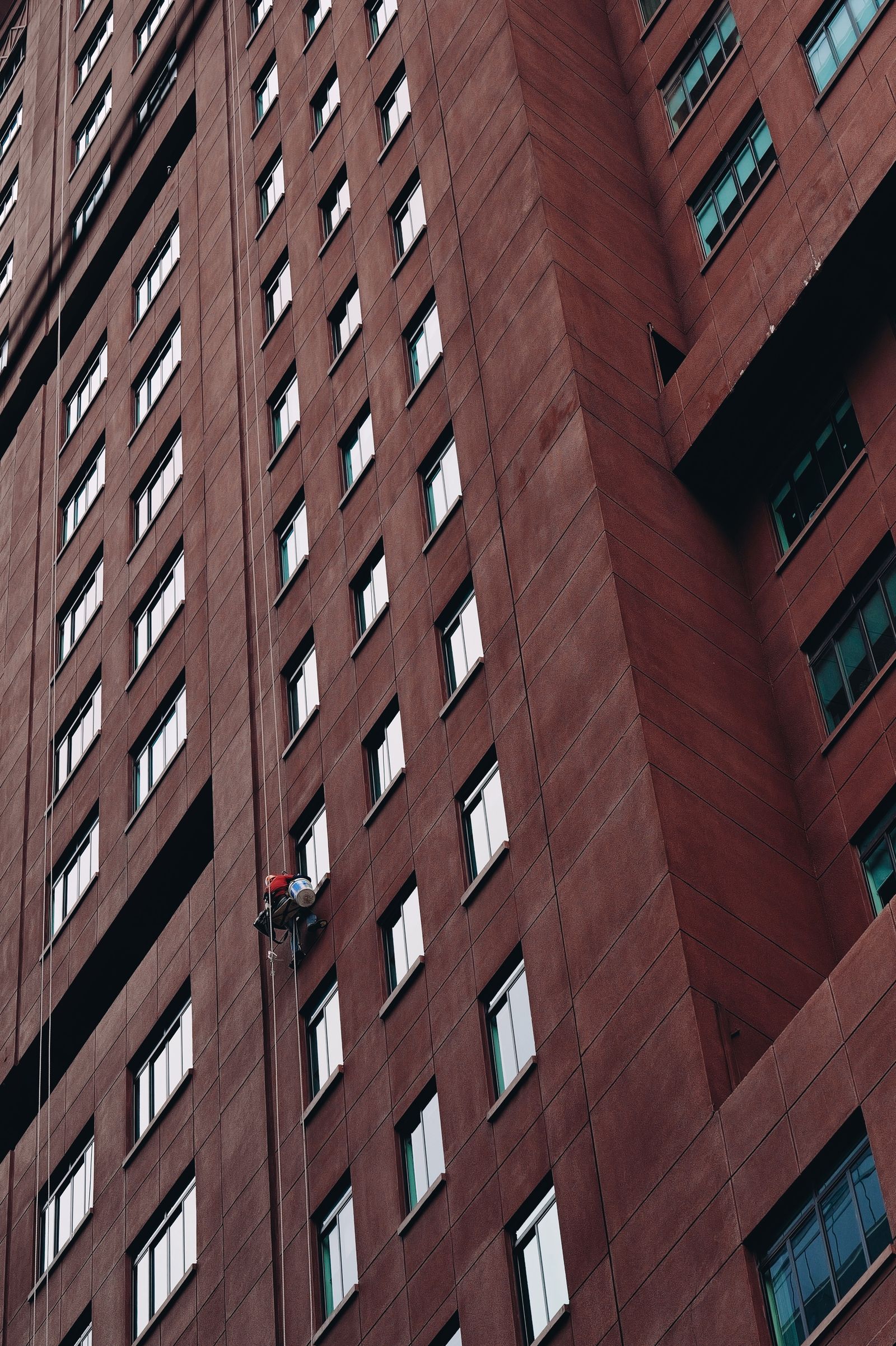
One building can require several methods in a single elevation. Stucco and EIFS deserve a different approach from a concrete dock. Painted trim, metal panels, windows, tile, signs, awnings, and coated railings can respond differently again. A shaded wall near mature oaks may show algae and pollen, while a lower wall along State Road 200 may show road splash and dust. An equestrian property may have dry soil and organic residue near gates and wash areas. Irrigation can leave mineral outlines; sun can reveal oxidation or chalking. Organic growth, mineral scale, rust, oxidation, and coating failure are not interchangeable stains.
A site walk or useful photographs should show materials, windows, penetrations, repairs, lower edges, roof drainage, adjacent paths, and the surrounding landscape. Ask for a representative test panel. The final scope should separate facade washing from glass, hard-water residue, oxidation, graffiti, construction film, and repairs. That makes the outcome easier to judge and keeps a provider from promising that soft wash or pressure wash alone will remove every condition on a mixed-material building.
- Use soft-wash testing for compatible organic growth on appropriate facade materials.
- Use controlled pressure only where the substrate, finish, public setting, and runoff plan support it.
- Treat mineral deposits, oxidation, rust, paint failure, and repairs as separate conditions.
- Specify what happens at glass, signs, trim, awnings, canopies, and detailed edges.
Let the workday influence the method
Method selection is also an operations decision. Downtown Ocala may have pedestrians, restaurants, events, and narrow sidewalks. A State Road 200 shopping center needs customer parking, storefront access, deliveries, and shared drive aisles. Medical properties need patient drop-off, accessible paths, emergency routes, quiet areas, and protected air intakes. I-75 warehouse sites need separation from trucks, forklifts, loading activity, and secure yards. Equestrian facilities add trailers, horses, arena schedules, barns, paddocks, and dust-sensitive operations. Pressure-heavy work can add noise and overspray; a chemical-and-rinse process still requires barriers, hoses, wet-pavement controls, and a return-to-service plan.
Ask how each proposed method affects staging, water use, drainage, working height, cleanup, and the time before a zone can reopen. A phased plan may complete the rear elevations first and keep the customer entrance active. If upper walls are candidates for aerial assistance, ask what method handles ledges, frames, signs, canopies, roof edges, and constrained spaces. The best choice is the one that reaches the requested finish while respecting people, vehicles, animals, landscaping, and the property's schedule.
Account for Ocala heat, summer storms, and water movement
Ocala's hot, humid summers can change dwell time, drying, and the pace of a work zone. Afternoon thunderstorms, lightning, gusts, heavy rain, saturated ground, and standing water can affect either method. Rain can interrupt chemical application or move loosened soil to a low point. Wind can carry spray beyond the approved boundary and make aerial work unsuitable. A quote should state weather limits, who makes the pause decision, and how the work will be rescheduled or sequenced when conditions change.
Drainage deserves special attention at properties with retention areas, swales, ponds, roadside inlets, wells, sloped drives, or low parking areas. Depending on the products, soil, slope, and volume, controls may include diversion, collection, recovery, reduced rinse volume, filtration, and coordination with the responsible authority. A visible storm drain is not automatic permission to discharge wash water. Landscaping, animal water sources, outdoor seating, vehicles, air intakes, and accessible paths all belong in the method comparison because a visually clean wall is not a successful project if the site is left with a new runoff or safety problem.
Aerial assistance changes access, not the cleaning fundamentals
Aerial assistance may suit broad, compatible upper wall fields when line of sight, stand-off distance, airspace, wind, launch and recovery space, water access, and ground controls are workable. It does not replace every lift, pole, or detail crew. Mature oaks, power lines, balconies, roof equipment, active parking, neighboring buildings, medical privacy, animal fencing, and warehouse security can make one elevation workable and another unsuitable. Ground methods may remain necessary at entrances, ledges, frames, signs, canopies, and delicate details.
The quote should identify proposed elevations, public or animal separation, communications, emergency-stop procedures, weather limits, applicable Federal Aviation Administration requirements, and the backup method if conditions change. A hybrid scope may use aerial support for broad upper fields, controlled ground work for lower details, and a separately tested treatment for mineral residue, oxidation, construction film, or other deposits. The aerial question should support the substrate and access decision, not substitute for one.
Compare proposals by finish, controls, and exclusions
When comparing soft washing with pressure washing, ask each provider to describe the intended finish, tested surfaces, chemistry or pressure approach, access equipment, water assumptions, occupied-site controls, drainage plan, weather limits, plant or animal protection, and closeout inspection. A low price may omit glass, detailed trim, stain treatment, runoff controls, or the work needed around tenants, vehicles, or livestock. A higher price may include a fuller operating plan, but the owner should still see the inclusions and exclusions in writing.
For an Ocala review, send the address, photos, approximate height, materials, priority elevations, visible deposits, water availability, drainage features, and preferred work windows. Note whether the property is downtown, medical, retail, office, warehouse, agricultural, or equestrian. Call +1 239-351-2897, email contact@dronebuildingcleaners.com, or use the quote/contact CTA to start the review. A property-specific assessment can determine whether soft washing, controlled pressure, contact detail work, aerial assistance, or a hybrid plan fits the surface and the site.